


Why Tracking Actually Changes Everything
You’ve probably heard this before: consistency beats intensity. But here’s what they don’t tell you — consistency needs visibility. You can’t stay consistent with something you’re not actually watching.
Think about it. You start your morning routine fired up, hitting every checkpoint for three days straight. Then life happens. Work gets hectic, you sleep through your alarm once, and suddenly you’re wondering if it’s even worth trying. Without tracking, that one missed day feels like total failure. With tracking, it’s just one mark on a sheet.
That simple difference — seeing your progress visually — changes how your brain processes the habit. It’s not motivation anymore. It’s accountability.

Three Tracking Methods That Actually Stick
The Paper Method
Print a simple grid. One row per week, seven columns. Hang it on your bathroom mirror or stick it on your desk. Each morning you complete your routine, you mark an X. That’s it.
Why it works: You see it every single day. The visual chain of Xs becomes addictive — people don’t want to break the chain. Plus, there’s something satisfying about the physical act of marking it off. No app notifications, no digital distractions. Just you and your tracker.
Best for: People who like tangible progress. Works especially well in Hong Kong apartments where you can keep it visible on a small shelf or door.
The Phone Note Method
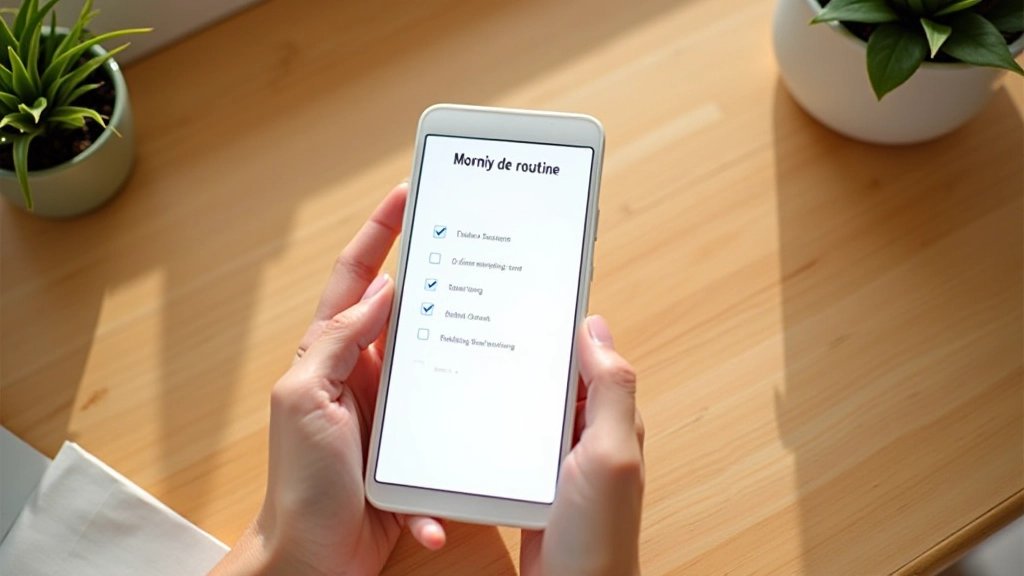
Create a note in your phone’s default notes app. Write the date, list your routine items (5-10 minutes to write), and check them off as you go. Copy-paste the same template each day.
Why it works: It’s always with you. You don’t need to download anything. The act of typing reinforces the habit. You’ve got a written record you can look back on.
The Spreadsheet Method
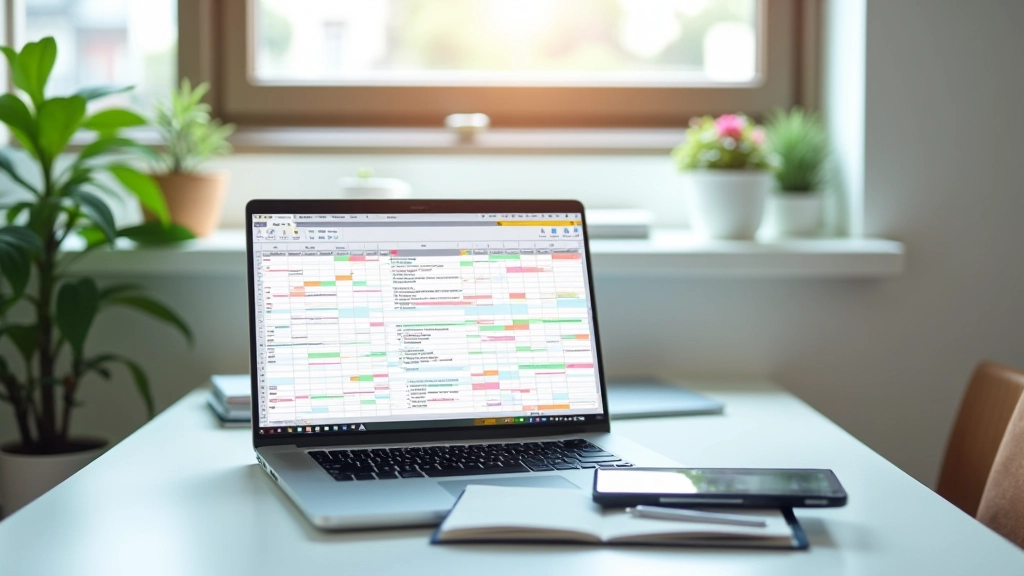
Google Sheets or Excel. Create columns for each routine item (5-7 habits), rows for each day. Open it every morning, fill in your completion status. You can even color-code it — green for complete, red for missed.
Why it works: It’s powerful. You can see patterns across weeks. You can calculate completion percentage. Some people find the analytics motivating — “I’m at 87% completion this month, let’s push to 95%.”
Best for: Data-minded people. Those who like to see trends and numbers. Works well if you’re already using Google Workspace or Office 365.
About This Content
This article provides educational information about habit-tracking methods and morning routines. Results vary based on individual circumstances, lifestyle, and consistency. The strategies discussed are intended as general guidance — not personalized advice. Consider consulting with a wellness professional if you have specific health concerns or conditions affecting your sleep or morning routine.
The 30-Day Threshold — When It Becomes Automatic
There’s a reason people talk about 30 days. It’s not magic — it’s neurology. Your brain needs about 3-4 weeks of consistent repetition before a new behavior starts feeling automatic.
Days 1-7: You’re forcing it. Your alarm goes off, and you have to convince yourself to get up. You’re checking your tracker constantly for validation.
Days 8-15: It’s getting easier. You don’t think about it as much. Some days feel natural, others still feel like work.
Days 16-30: Automation kicks in. You wake up, your body just knows what to do. You still mark your tracker — that’s important — but you’re not fighting yourself anymore.
That’s why tracking matters most during weeks 1-4. After day 30, the habit’s already embedded in your routine. Your tracker becomes a record, not a reminder.

Handling the Inevitable Slip-Ups
You’ll miss days. Everyone does. The difference between people who build habits and people who quit is how they respond to the miss.
Don’t try to catch up. That’s the trap. You miss one day, then you try to do double the next day to make up for it, and suddenly you’re burnt out. Your tracker should show exactly what happened — one day marked as incomplete.
What matters: Getting back on track the next morning. Not with guilt or punishment. Just matter-of-factly resuming. One missed day in 30 is an 97% completion rate. That’s still solid.
In Hong Kong’s fast-paced environment, this is crucial. Some weeks you’ll have late nights, early flights, unexpected work demands. Your tracker acknowledges reality. It’s not about perfection — it’s about the pattern. The overall trend.

Making Tracking Effortless
The easiest tracker is the one you’ll actually use. That means:
Place it where you are. If you do your routine in the bathroom, put the tracker there. If you’re at the kitchen table, tape it to the fridge. Don’t make yourself go hunting for it.
Mark it immediately. Don’t wait until evening to think about whether you did it. The moment you finish your routine, mark it. It takes five seconds and reinforces completion.
Keep it simple. Track 5-7 items maximum. Your full routine might have 15 things, but pick the 5-7 that matter most. Morning meditation, exercise, breakfast, skincare, journal time. Not everything needs to be tracked.
Review weekly. Sunday evening, look at the past week. How many days completed? What patterns emerge? This 5-minute review keeps you aware without being obsessive.
The Real Benefit: Proof That You Can Change
Here’s what nobody mentions: tracking is proof. Tangible, visible proof that you can commit to something and follow through.
That tracker with 27 days marked out of 30 isn’t just a morning routine record. It’s evidence that you have discipline. That you can set an intention and honor it. That matters psychologically more than the actual habit itself.
Once you see that you can stick with a morning routine, it’s easier to stick with other things. Better sleep habits. Consistent exercise. Regular meal planning. The discipline compounds.
In a city like Hong Kong where everything moves fast and feels overwhelming, that evidence of your own consistency is powerful. It’s a foundation. It’s proof you can build something that lasts.