


Why Your First 10 Minutes Matter
Most people wake up and immediately check their phones. Email, messages, news — it’s chaos before breakfast. But here’s the thing: those first minutes set the tone for everything that follows.
When you start with journaling instead, you’re doing something different. You’re creating space between yourself and the day’s demands. Even in a tiny Hong Kong apartment with neighbors close enough to hear you think, 10 minutes of focused writing can shift your entire mental state.
This isn’t about being productive in the traditional sense. It’s about clarity. It’s about knowing what actually matters to you before work tries to convince you otherwise.

The Simple 10-Minute Framework
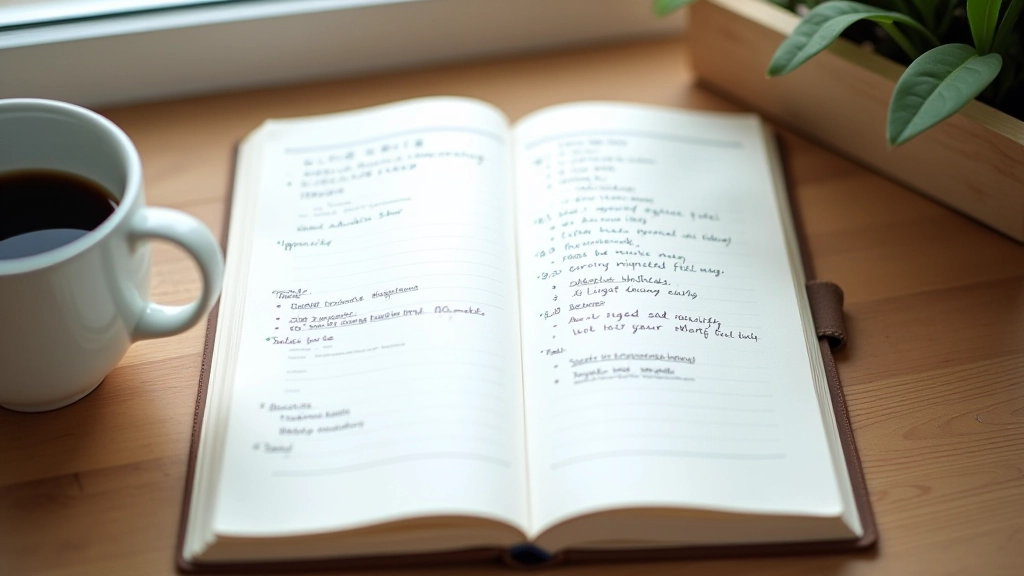
You don’t need anything fancy. Grab a notebook — any notebook works. A pen. That’s it. Here’s how to structure those 10 minutes:
Brain Dump (3 minutes)
Write whatever’s in your head. Worries, tasks, random thoughts — everything that’s cluttering your mind. Don’t organize it. Don’t edit. Just let it flow onto the page.
Intentions (4 minutes)
Now write down 3 things you want to accomplish today. Not everything — just three. Be specific. Instead of “work on project,” write “complete the Hong Kong office presentation section.”
Mindfulness Note (3 minutes)
Write one thing you’re grateful for. Or one thing you want to remember about who you are. Or how you want to feel today. This is your anchor point — the thing you return to when the day gets hectic.
This article provides educational information about journaling techniques for personal routine development. Results vary based on individual consistency and circumstances. Journaling isn’t a substitute for professional mental health support — if you’re experiencing anxiety or other concerns, consider speaking with a qualified professional.
Making It Work in a Tiny Space
Hong Kong apartments are small. Really small. You might not have a dedicated quiet space. You might share walls with neighbors, have roommates, or have kids wandering around at 6 AM.
The good news: you don’t need a dedicated space. You need 10 minutes. Sit on the edge of your bed. Sit in the kitchen corner. Sit by the window with a cup of tea. The location doesn’t matter — the consistency does.
Some people find that writing on their bed, before getting up completely, works best. Others go straight to a chair by the window. The point is you’re doing this before the day pulls at you. Before your phone buzzes. Before anyone else needs something from you.

What Changes After a Few Weeks
You won’t notice dramatic changes on day one. Or day three. But by week two or three, something shifts.
You’ll notice you’re less reactive. When something frustrating happens at work, you don’t spiral as quickly because you’ve already written out your worries that morning. You’ll make better decisions because you’ve clarified what matters. You’ll feel more focused because you’ve already decided on three priorities instead of trying to do everything.
Some people report better sleep. Others say they feel less overwhelmed by their commute. A few mention they’re actually excited about their mornings for the first time in years. It’s not magic — it’s just what happens when you give yourself permission to think before you react.

The Real Benefit: You Know What You Want
Here’s what most people miss about journaling: it’s not just about stress relief. It’s about clarity.
When you write down your intentions every single morning, you start noticing patterns. You see what you actually value versus what you think you should value. You realize which tasks matter and which ones you’re doing out of habit. You discover that half the things keeping you stressed aren’t actually your responsibility.
After a month of this practice, you’ll have 30 days of written evidence about what you care about. That’s powerful. That’s the kind of clarity that changes how you make decisions, what you say yes to, and how you spend your energy.