Mindfulness Journaling Before Work — 10 Minutes That Change Everything
How to use journaling to calm your mind and set daily intentions. Works even in small spaces.
You don’t need room to move. Practical routines designed specifically for typical Hong Kong apartments. Meditation, stretching, and goal-setting in small spaces.
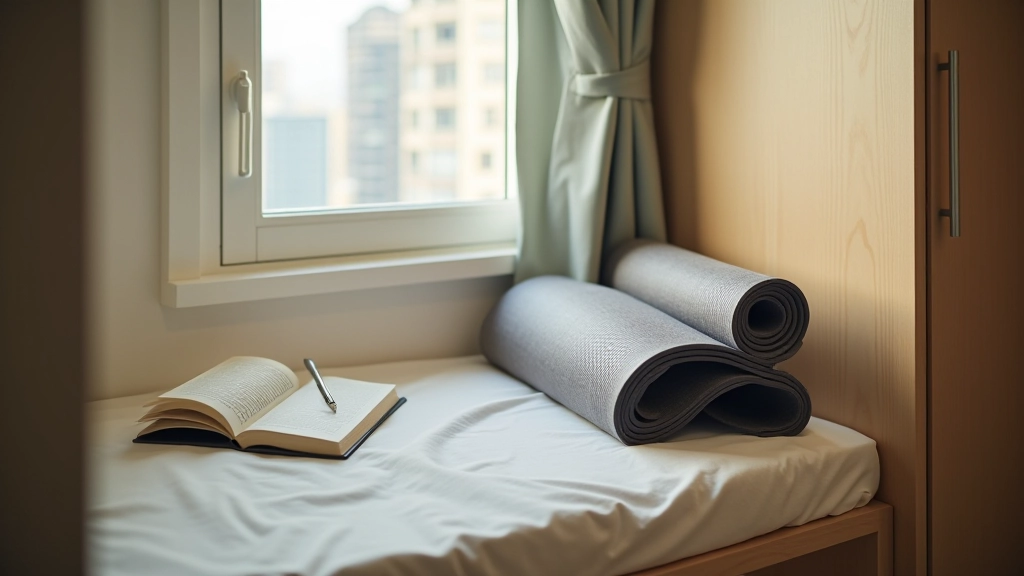

Most people think a morning routine needs space. A yoga mat sprawled across the floor. A desk clear enough for journaling. A quiet corner for meditation. But here’s the thing — we’re in Hong Kong. Space is a luxury. Your bedroom might be 50 square meters shared with everything else in your life.
The truth? Your routine doesn’t need square footage. It needs intention. It needs structure. And it absolutely needs to fit the reality of where you actually live. That’s what we’re covering here. Not aspirational routines from lifestyle magazines. Real routines that work in real Hong Kong apartments.

You’ve probably noticed something. Hong Kong apartments don’t have horizontal space. They have vertical space. High ceilings. Walls. Shelving. The secret to a morning routine in 50 square meters is thinking in three dimensions, not two.
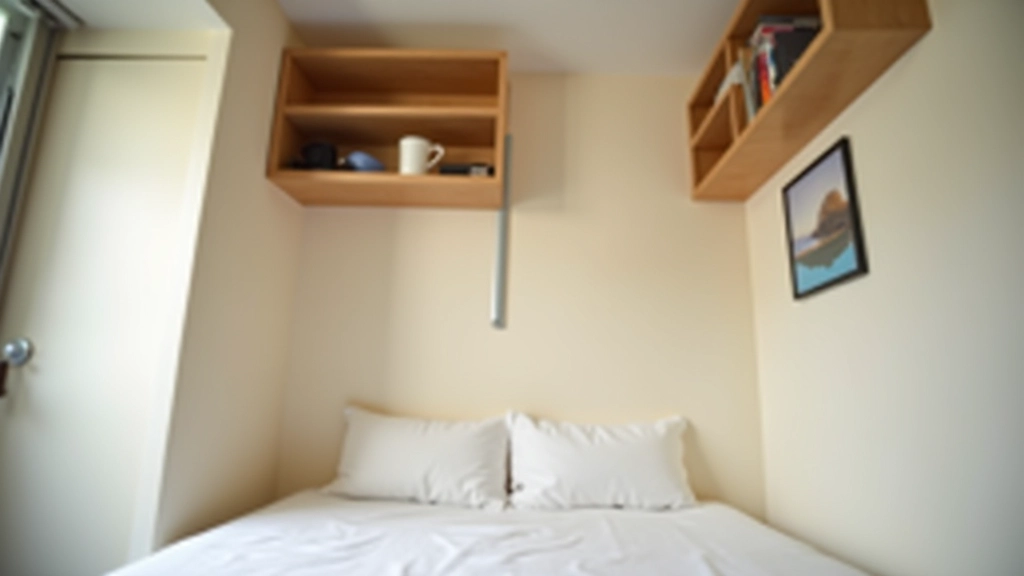
Your morning routine should use walls and height, not floor space. Mount a small pull-up bar in a doorframe — no installation needed, takes 30 seconds. That’s your stretching space sorted. A shelf above your bed holds your journal, meditation app, and morning water bottle. Hanging organizers on the back of your door store resistance bands and a yoga strap. You’re not moving furniture around. You’re thinking smart about what you already have.
Real measurement: A standard doorframe pull-up bar takes up zero floor space. Your morning stretching routine needs about 1.5 meters width and 2 meters height. That’s vertical efficiency.
Start with this simple shift in thinking. Don’t ask “where will I exercise?” Ask “what walls can I use?” The answer changes everything about what’s possible in your space.
This article is educational information about designing morning routines in small living spaces. It’s not medical advice, fitness instruction, or professional coaching. Every person’s situation is different. If you have health concerns or physical limitations, consult appropriate professionals before starting new routines. The strategies here are general approaches that work for many people — adapt them to your circumstances.

You don’t need an hour. You don’t need perfect conditions. You need 10 minutes and a system. Here’s what actually works in a 50-square-meter space.
Glass of water. Open the window or curtains. Get light in your eyes. This wakes up your nervous system properly, not with coffee.
Doorframe pull-up bar. Bodyweight exercises. Stretching. You’re not building muscle. You’re activating your body before the workday starts. Most people skip this because they think it needs space. It doesn’t.
Sit at your desk or on your bed. Journal three things. What you’ll prioritize. What you’ll avoid. One thing you’re grateful for. Write it. This takes five minutes and it changes your entire day’s focus.
That’s it. Ten minutes. Done in your bedroom. No special equipment except a pull-up bar and a journal. You’re setting your day before anything else gets a say in it.
Here’s where most routines fail. Not because they’re bad ideas. But because life gets in the way. You’ve got a commute. You’ve got work stress. You’ve got noise from neighbors. You’ve got a million things competing for your morning time.
The trick is anchoring your routine to something you already do. You already wake up. You already drink water. You already check your phone. Use these existing habits as anchors. Water immediately after waking. Movement before checking messages. Journaling before breakfast. You’re not adding time. You’re restructuring the time you’re already spending.
Consistency matters more than perfection. You’ll miss days. That’s normal. The goal isn’t 365 perfect days. It’s doing it most days. And when you do, you’ll notice the difference in how your day goes.

50 square meters. 500 square feet. That’s your reality in Hong Kong. And it’s enough. Your morning routine isn’t about having the perfect space. It’s about having the perfect system for the space you’ve got.
You don’t need a home gym. You don’t need a meditation room. You don’t need to move furniture around every morning. You need clarity about what matters, structure in how you start your day, and commitment to doing it even when it feels small or insignificant.
Start with water and light tomorrow morning. Add movement the next day. Add journaling the day after. Give yourself three weeks. Then notice how your days feel different. How your focus is sharper. How you’re making decisions from intention, not just reaction. That’s what a morning routine actually does.
And it works perfectly in 50 square meters.