
Mindfulness Journaling Before Work — 10 Minutes That Change Everything
How to use journaling to calm your mind and set daily intentions. Works even in a crowded apartment.
Structure your wake-up time despite travel demands. Real schedule examples from Hong Kong professionals managing 45-minute commutes.


You’re up at 6:15 AM. The MTR will be packed in 45 minutes. Your office opens at 9, but you’ll need to leave by 8 to make it. That leaves roughly 45 minutes to get ready, and honestly, it doesn’t feel like much.
Here’s the thing though — you’re not trying to squeeze in a spa routine or a 10-course breakfast. You’re just trying to start your day feeling somewhat in control instead of rushed. Time blocking is the answer. It’s not complicated. It’s not about exotic morning rituals. It’s about carving out specific chunks of time for specific things, then protecting those chunks.

Time blocking isn’t rocket science. You’re dividing your morning into blocks — each one dedicated to a single activity. No multitasking. No checking your phone while brushing your teeth. One thing per block.
For someone with a 45-minute commute, your morning might look like this:
The beauty of this? You’re not thinking about what comes next. Each block has a clear start and finish. When the 10 minutes for breakfast ends, you’re done with breakfast. No lingering, no stress about being late.
Important note: Time blocking works best when you’re realistic about your own pace. If you always take 20 minutes to shower, don’t try to force it into 15 just because your schedule says so. The blocks should reflect your actual behavior, not fantasy versions of yourself. Start with one week of time blocking to find the real numbers, then adjust from there.
Plenty of people wake up at 6 AM. But without structure, that extra hour just becomes more time to scroll your phone or stand in the kitchen deciding what to eat. You’ve gained time, but you haven’t gained control.
Time blocking changes that. When you’ve got 10 minutes for breakfast, you make a choice the night before — cereal, toast, or yogurt. You don’t stand there at 6:45 AM trying to figure it out. You’re already three blocks into your morning and feeling ahead instead of behind.
The psychological difference is huge. You’re following a plan instead of reacting to circumstances. Even if something goes wrong — the shower takes 18 minutes instead of 15 — you only lose a few minutes off your “review priorities” block, not your entire morning rhythm.

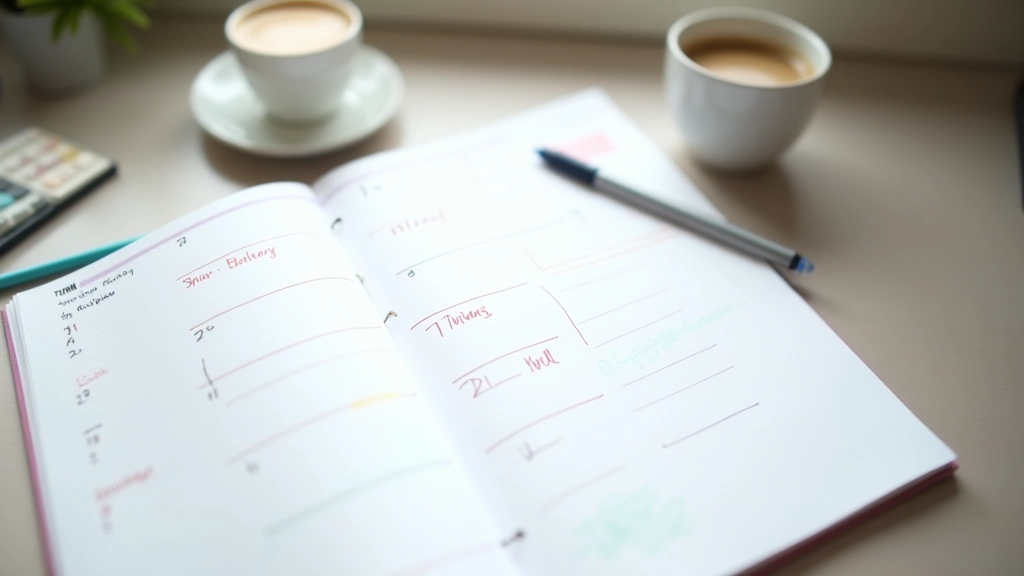
Don’t overcomplicate this. You need three things: a way to track time (your phone’s timer works fine), a written schedule (paper or digital), and honesty about how long things actually take.
For your first week, write down what you currently do in the morning and how long it takes. Actually time it. Don’t guess. You’ll probably discover you’re slower at some things than you thought and faster at others. That real data becomes your template.
Then, the night before, review your blocks. Mentally walk through them. Prepare what you can — pick out clothes, make sure your bag’s packed, decide on breakfast. This 5-minute review prevents most morning chaos.
By day four or five, the blocks become automatic. You’re not checking the schedule constantly. You just know that when you finish your coffee, it’s time to shower. The structure becomes invisible because it’s working.
A long commute in Hong Kong is a constraint. You can’t change the MTR schedule or the distance. But you can change how you feel when you’re sitting on that train at 7:30 AM. If you’ve already showered, eaten, and thought about your day, you’re calm. If you rushed out the door at 7:55 because your morning was chaos, you’re stressed before work even starts.
Time blocking isn’t about becoming some productivity robot. It’s about buying yourself peace. Forty-five minutes of commute time doesn’t have to mean a chaotic morning. It just means you need to be intentional about the 45 minutes you have before that.
Start simple. Pick three blocks for tomorrow morning. Time yourself. See what happens. You’ll probably find that having a structure — even a loose one — makes everything feel easier. And easier mornings make everything that follows feel more manageable.
Ready to build consistency into your routine?
Explore habit tracking methods